
Training for a race through a Couch to 5K program may support recovery by encouraging routine, confidence, stress relief, and healthy momentum.
Recovery can be challenging, and healthy routines may play an important role along the way. Exercise and goal-setting can support progress by creating structure, building confidence, and improving overall well-being. For some people, physical activity may also be one helpful part of a broader relapse-prevention plan.
For many people, walking or running feels like an accessible place to start. These activities can often be done with minimal equipment and adjusted to fit different fitness levels. In addition to physical benefits, walking and running may also support mental and emotional well-being, which can make them helpful activities during recovery.
Becoming a runner or regularly walking longer distances may seem like big goal, especially in early recovery. Starting with small, realistic steps can make the process feel more manageable. For some people, a Couch to 5K program may be one way to build healthy habits and a more consistent routine.
The advantages of regular exercise go beyond physical health. It also significantly supports recovery from substance use disorder in unique ways. Research indicates that incorporating consistent exercise into your recovery journey offers numerous benefits, including improvements in mental, emotional and physical health.
If addiction has controlled your life for a long time, your body has likely suffered the consequences. You will begin to feel the toll it took on your body in early recovery as the haze of drug use begins to clear. Exercise in recovery also helps in the following ways:
Fitness and recovery should go hand-in-hand if you are looking to completely transform your life after battling addiction. If you are looking for a way to get started, look no further than your own two feet. Keep reading to learn how training for a race can enhance recovery.
Running can be one form of exercise that supports recovery goals. Along with general fitness benefits, training for a race may also add structure, motivation, and a sense of progress.
5 ways training for a race can enhance recovery include:
The benefits of running in recovery provide many physical and mental advantages that can support your journey. It is also an activity that encourages personal growth and accountability. As you start your new hobby, just make sure to have a good pair of running shoes and some comfortable clothes to sweat in!
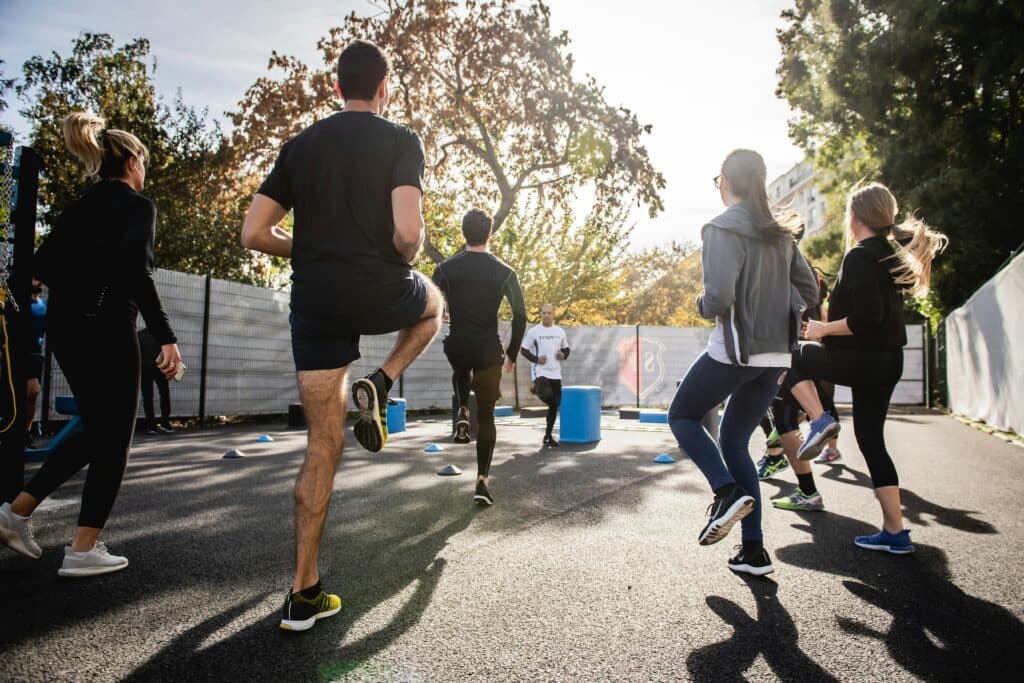
Couch to 5K (C25K) is a 9-week program for beginners that requires training 3 times a week. It can help you safely build up from a sedentary life to running a 5K (3.1 miles) by using gradual walk-run intervals. The program emphasizes consistency over speed, gradually building endurance while incorporating rest days. This approach makes it ideal for establishing sustainable, healthy habits for those starting their recovery journey.
If you are looking for inspiration to get started, look no further than Brendan Lawlor. Hailing from New Hampshire, he plans to run the Boston Marathon in honor of his recovery journey. With the support of his friends and family, he is training for himself and those who love him. With some training and perseverance, you can one day accomplish a marathon if you choose!
Training for a 5K is not just about physical health or participating in a race. It is about demonstrating to yourself that you can set goals, put in effort and achieve great things in recovery. Training for a 5K race provides an opportunity to develop a new hobby and build a healthy routine. You will also build connections within a supportive, health-conscious community.
At Middlesex Recovery, we encourage you to choose a brighter and better future without substance use. We can help you achieve your goals for a life free from addiction and full of inspiring new prospects. So, lace up your running shoes and take the first step. Message or call us today to learn more about our treatment programs and more.

If opioid addiction is impacting your life or the life of someone you care about, reach out to our treatment center. We are here to provide the support and care you need to take the first step toward recovery.
Call 781.303.9936