

Learn about the dangers of xylazine, its presence in Massachusetts’ drug supply, its impact on overdoses and why naloxone remains essential.
Xylazine, also known as “tranq,” is a veterinary sedative that is not an opioid. It has become widespread in Massachusetts’ illicit drug supply. The use of xylazine has led to spikes in overdose deaths and serious health problems in the state. By 2024, data shows that about one in four to one in three illegal opioid samples contained xylazine. This increase is especially noticeable in western Massachusetts.
It is vital for residents of the state to understand the signs and dangers of xylazine. Moreover, it is critical that everyone knows what to do if they encounter it. Continue reading to understand the increasing rate of xylazine on the streets of Massachusetts and how to stay safe.
Xylazine is a powerful veterinary drug used to sedate animals and reduce pain. It works by activating alpha-2 adrenergic receptors in the brain. This activation reduces the release of neurotransmitters such as norepinephrine and dopamine.
As a result, it causes sedation and pain relief and significantly depresses the central nervous system. In humans, xylazine can lead to respiratory depression, which can be deadly. It can also slow the heart rate and lower blood pressure to dangerous levels.
Although this drug is for veterinary use, xylazine has entered the illegal drug market. Researchers discovered it as an adulterant in heroin in Puerto Rico in the early 2000s. Its use as an additive then spread to the mainland United States.
By the late 2010s, it became common in cities like Philadelphia and Boston. Currently, xylazine is present in illicit street drugs mixed with other substances. It is often combined with heroin and fentanyl, but also with cocaine, methamphetamine and benzodiazepines.
Some quick facts about Xylazine in Massachusetts include:
If you are concerned about Xylazine in your possession, the Massachusetts Substance Use Helpline is available for resources: 800-327-5050.
People may smoke, inject or snort substances containing xylazine without knowing it is present. Its illicit use increases health risks because it is not safe for humans and can damage the brain and body. On the streets, xylazine is called “tranq” or “tranq dope.” When combined with heroin or fentanyl, it raises the chances of illness, overdose and death.
Why is xylazine dangerous? The following are some of the most common effects:
Tranq has joined the ranks of deadly drugs affecting the opioid epidemic, as people seek stronger sedative effects. Xylazine’s sedative effects are much stronger and last longer than many other depressants. This raises concerns about its role in overdose deaths and public health.
A xylazine-related overdose typically causes prolonged, deep sedation and significant respiratory depression. Other signs include:
If you suspect someone is experiencing an overdose on xylazine mixed with fentanyl, immediately call 911. Stay with the person until paramedics arrive if you can.
Narcan (naloxone) cannot reverse xylazine effects since xylazine is a non-opioid sedative. However, because xylazine is often combined with fentanyl or other opioids, administering Narcan is essential if an overdose is suspected.
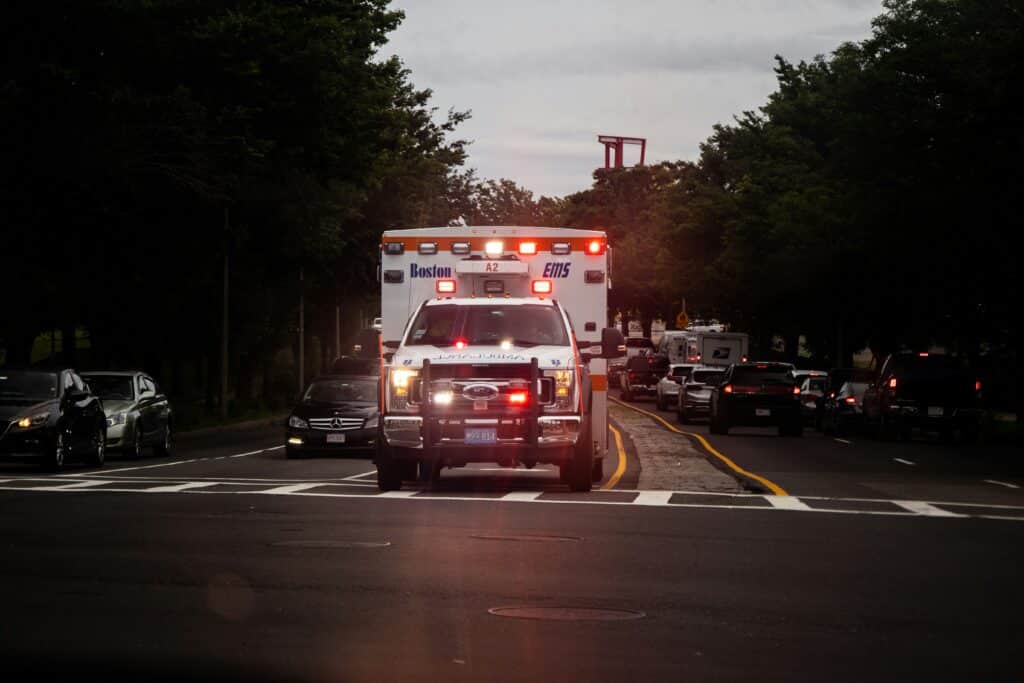
Responding to a xylazine overdose requires immediate action. Follow these steps if you suspect a xylazine overdose:
Remember that in Massachusetts, the Good Samaritan Law safeguards you. This law shields individuals who offer reasonable, good-faith emergency assistance from civil liability. This also includes a specific law that protects people who call 911 during an overdose. For more information, please refer to the CDC overdose prevention guidelines.
Because xylazine is often mixed with fentanyl and other opioids, treatment may begin by addressing co-occurring opioid addiction and connecting individuals with appropriate medical support for other health concerns. Middlesex Recovery provides evidence-based treatment for opioid use disorder, including medication-assisted treatment and ongoing support tailored to each person’s needs. If you or a loved one is using opioids that may be mixed with xylazine, contact Middlesex Recovery today. Our team can help you explore treatment options for opioid addiction and connect you with additional resources when needed.

If opioid addiction is impacting your life or the life of someone you care about, reach out to our treatment center. We are here to provide the support and care you need to take the first step toward recovery.
Call 781.303.9936